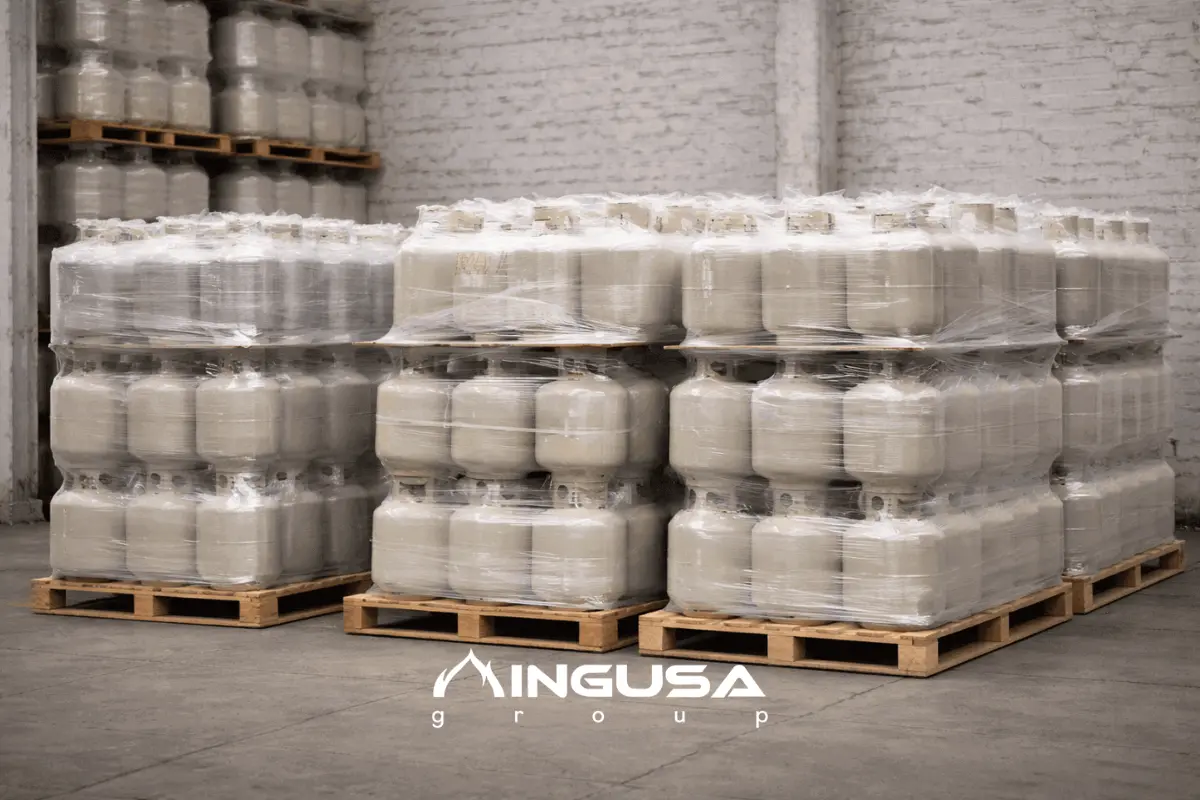
Propane is normally compressed and stored as a liquid, which is why distribution depends on a coordinated network of storage, transport, and delivery assets rather than a single supply point. PERC notes that propane is used in heating, cooking, forklifts, farm engines, fleet vehicles, and buses, so dependable logistics matter across several end markets.
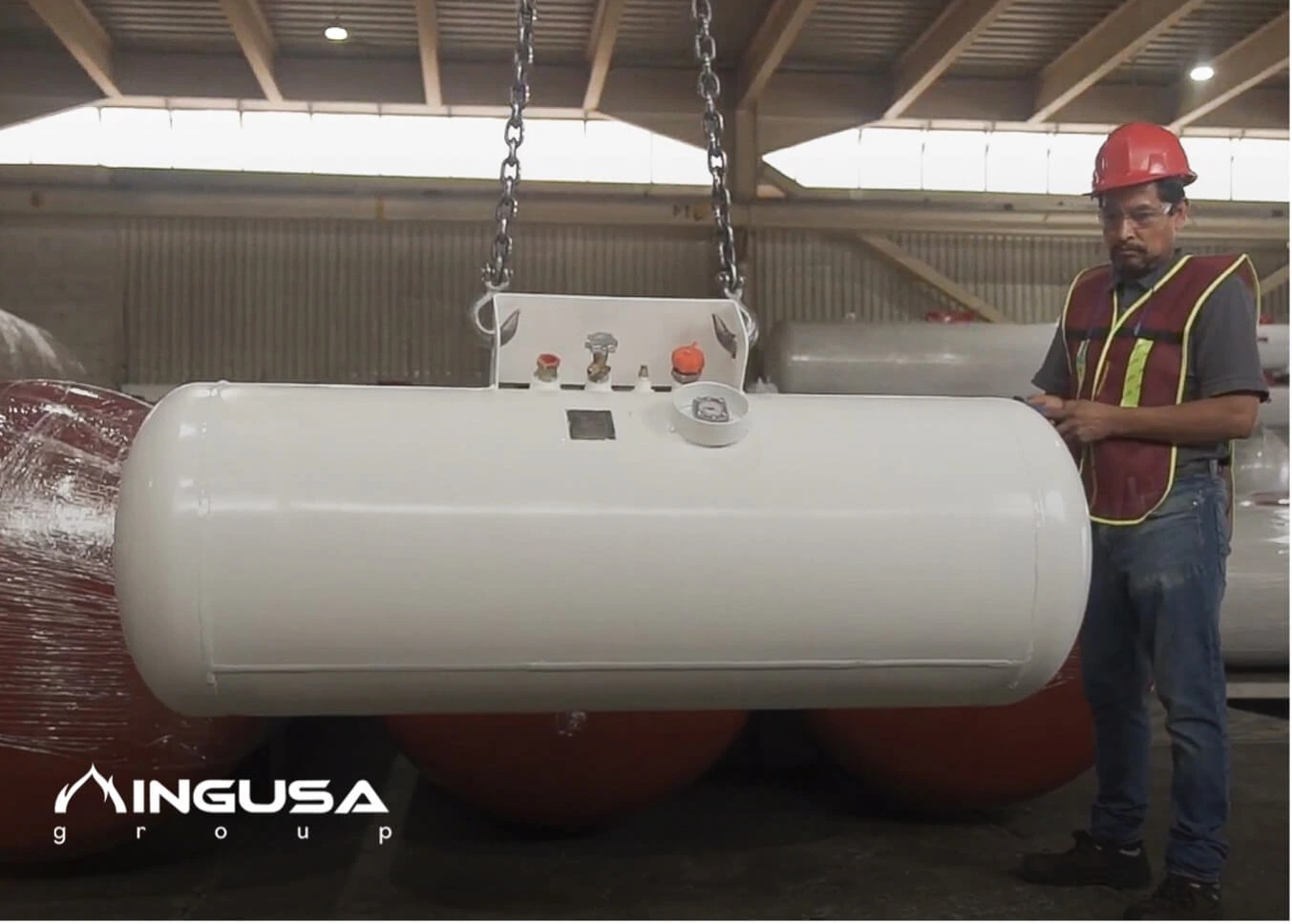
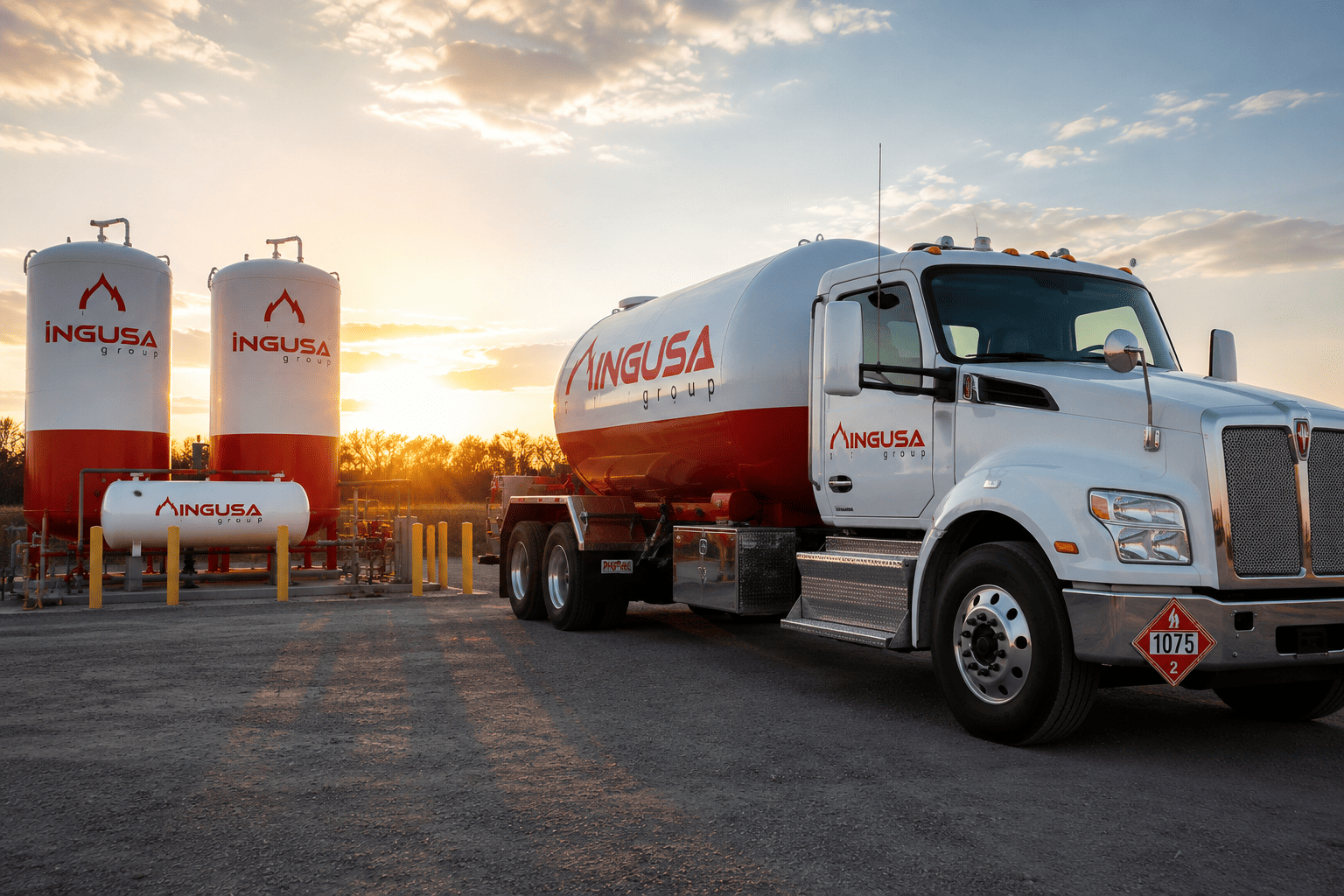
For distributors, the backbone of that network is storage. NPGA’s Today’s Propane report says propane is delivered from nearly 10,000 bulk plant storage facilities across the U.S.; smaller bobtail delivery trucks and highway transport vehicles commonly use tanks with capacities of 3,000 to 12,000 gallons, while bulk plants typically rely on steel tanks of 18,000 to 30,000 gallons each. The same report notes propane can move by pipeline, rail, or truck to secondary storage sites.
That is why logistics planning is not only about transportation. It is also about choosing the right storage capacity, the right delivery model, and the right placement of assets to keep product moving through the supply chain. Propane’s reliability is one of its strengths: PERC describes it as a fuel that can keep homes, businesses, and farms operating even during extreme weather and grid disruptions.
For propane distributors, the best logistics strategy starts with storage that matches demand, delivery equipment that fits the route, and supply planning that supports uninterrupted service. Ingusa Group works with businesses that need practical propane storage and transport solutions built for that kind of operation.